Understanding Your Hearing Test Chart and Results
After your hearing test, your audiologist will usually review a chart that

By: admin | September 24, 2025
Hearing care has made impressive progress over the years, from basic hearing tests to sophisticated digital hearing aids that can filter background noise and connect to your smartphone. Audiologists now have precise tools for testing and can customize devices to match individual hearing patterns better than ever before. But despite these advances, many aspects of hearing care still feel outdated compared to other areas of healthcare. Getting hearing aids often involves multiple appointments, manual adjustments and a lot of trial and error to find settings that work well in your daily life.
Artificial intelligence is starting to change how hearing care works by making it more personalized and responsive to your actual needs. AI has become incredibly good at recognizing patterns, processing complex information and making adjustments in real time. When you apply this technology to hearing care, suddenly your devices can learn your preferences, adapt automatically to different environments and even predict what settings you’ll need before you realize it yourself.
Artificial intelligence is transforming health care by helping medical professionals analyze vast amounts of data more quickly and accurately. AI algorithms can process medical images, like X-rays, MRIs and CT scans, to detect abnormalities that might be missed by the human eye. This allows for earlier diagnosis of conditions like cancer, heart disease or neurological disorders. Beyond imaging, AI can sift through patient records, lab results and genetic information to identify patterns, predict risks and suggest personalized treatment plans, making care more precise and proactive.
AI is also being used to improve operational efficiency in health care settings. Hospitals and clinics are using AI-driven tools to optimize scheduling, manage patient flow and predict staffing needs, which helps reduce wait times and ensures resources are allocated effectively. Virtual assistants powered by AI can handle routine tasks like appointment reminders, patient inquiries and initial symptom screening. This allows medical staff to focus on more complex patient care while keeping administrative burdens under control.
In addition, AI is advancing patient engagement and remote care. Wearable devices and mobile apps collect real-time health data, which AI systems analyze to monitor chronic conditions, track medication adherence and alert patients or providers to potential issues before they become serious. Telemedicine platforms increasingly incorporate AI to triage symptoms and provide guidance, helping patients access care more quickly and conveniently. Overall, AI is not replacing medical professionals but enhancing their capabilities, enabling more accurate diagnoses, efficient care delivery and better patient outcomes.
Artificial intelligence is changing hearing healthcare by making devices smarter and easier to use throughout daily life. Many modern hearing aids can detect shifts in your surroundings and adjust settings automatically. This helps maintain clear speech and balanced sound without requiring constant manual changes. Features like automatic noise reduction, real-time sound filtering and voice enhancement support better listening in a variety of everyday situations.
AI in hearing devices also extends beyond improving hearing. Some models can track steps, provide reminders for medication or detect falls to enhance overall safety. These functions are designed to support independence and make daily routines easier. Over time, AI learns your preferences and adjusts settings to match, reducing the effort needed to manage your devices and allowing you to focus on communicating with confidence.
AI also helps your audiologist provide more personalized care. Data collected from your devices can give insights into your listening experiences, making appointments more tailored and efficient. This combination of intelligent technology and professional guidance ensures your hearing aids are optimized for your life, supporting clear communication, safety and comfort every day.
Smart hearing devices are having a real impact on how you manage hearing loss each day. Technology now helps with simple tasks and can ease daily stress. These devices do more than just make sounds louder. Many connect to smartphones, stream calls or music directly to your ears, and send alerts if you fall. Some models track your steps or remind you to take medication, supporting your overall health.
With features like automatic noise reduction and voice enhancement, you can focus on conversations even in noisy places. This means less time spent adjusting settings and more time enjoying activities with friends and family. Smart technology helps you feel comfortable and confident as you go about your day.
AI in hearing aids can quickly distinguish between different types of sounds, helping you focus on what is important. These smart systems use advanced sensors and learning programs to identify speech, background noise and other environmental sounds. Over time, the devices learn which sounds you want to hear and which can be minimized, so conversations are clearer and more enjoyable.
This technology can also recognize subtle changes in sound patterns, like a ringing phone or a doorbell, making it easier to respond to everyday cues without extra effort. AI helps ensure your hearing aids deliver a more natural and accurate listening experience, even in complex sound environments.
Automatic sound adjustment is one of the most useful features in modern hearing aids. These devices can detect when your surroundings change and adjust settings to match, reducing the need for manual control. For example, your hearing aid might lower background noise during group activities or emphasize speech when someone is talking to you.
The changes happen quickly and smoothly, allowing your hearing experience to remain consistent and natural. AI enables your devices to learn from repeated experiences, gradually fine-tuning settings to match your preferences. This level of customization makes daily life easier and more comfortable, helping you focus on listening and communicating rather than constantly adjusting your hearing aids.
AI technology in hearing aids can learn your personal listening preferences over time. Your device adjusts itself to match the way you like to hear in different places, like at home, outdoors or in a store.
This personalized approach brings several benefits. You may notice clearer conversations and less background noise, making social situations more comfortable. Personalized settings also reduce the need for manual adjustments, so you can focus on enjoying your day with greater ease.
Speech in noise testing shows how well you understand speech when there is background noise, like in a restaurant or at a family gathering. These tests are important because real life is rarely quiet, and hearing loss can make it harder to follow conversations when other sounds are present.
The audiologist will use the results from these tests to adjust your hearing aids for real-world situations. This setup helps you hear voices more clearly even when there is a lot happening around you. Many people find it easier to join group conversations and feel more confident in social settings with these tools.
AI-powered noise reduction and clarity features are changing how hearing aids handle background sounds. These tools help you hear speech more clearly in places with a lot of noise, like restaurants or gatherings.
AI can quickly separate voices from unwanted sounds, making it easier to focus on conversations without feeling overwhelmed. Some devices use advanced microphones and smart software to adjust settings in real time, so loud or sudden noises do not interrupt your listening experience. These features work together to create a smoother and more natural way to hear in different environments. Many people find that daily communication feels less tiring and more enjoyable as these systems improve.
Many hearing devices now include features that help track your daily activity and wellness. Some models count your steps, monitor movement and remind you to take important medications. These tools support your health by making it easier to stay active and keep up with healthy habits. Some hearing aids also have safety features like fall detection, which can alert someone if you need help.
Hearing aids now include health monitoring tools that go beyond helping you hear better. Some devices track physical activity, like counting steps or measuring movement each day. Others have sensors that detect falls and send alerts to a family member or caregiver.
These features support your well-being by making it easier to keep up with healthy habits and stay safe. Health monitoring often works alongside other smart features like medication reminders or tracking social engagement, giving you more ways to manage your health every day.
Bluetooth streaming in AI enabled hearing devices lets you listen to phone calls, music and videos directly through your hearing aids. Sound from your smartphone or tablet goes straight to your ears without extra wires or gadgets.
AI features help make sure the streamed sound is clear and balanced for your hearing needs. With these tools working together, you can enjoy better sound quality and a smoother listening experience during calls or entertainment.
AI is making communication in public spaces easier for people with hearing loss. New technology in hearing aids can connect wirelessly to sound systems in places like airports, theaters and churches.
With features like Bluetooth LE Audio and Auracast, hearing aids can pick up announcements or conversations directly from public audio systems. This helps you hear important information more clearly even when there is background noise.
These AI-powered connections are designed to make public events and outings less stressful for people who use hearing devices. You can stay informed about flight changes, enjoy live performances or follow group tours without missing key details. As these technologies become more common, many public spaces are becoming more accessible for everyone who uses hearing devices.
Data collected from hearing devices and checkups plays a big role in making care plans more effective. When the audiologist has up-to-date information about your listening environments and device use, we can adjust settings to better match your needs.
Regular tracking of sound levels, background noise and how often you use your hearing aids creates a clearer picture of your daily life. This allows for care plans that are more personalized and can lead to better results over time.
There are many easy ways to take advantage of new AI features in hearing health. Start by using automatic sound adjustments, which help your hearing aids respond quickly to changes in your environment. You can also try smartphone apps that let you control settings or check battery life with just a few taps.
AI-powered devices often include helpful tools like step tracking, medication reminders and fall detection for added safety. These features support your daily routine and help you stay active and independent.
Some benefits of these advances include better sound quality, less need for manual adjustments and more personalized care from your specialist. Learning new technology may take some time, and some features may require a compatible smartphone or internet connection.
Hearing care is evolving in ways that make managing your hearing easier and more intuitive. With AI-powered devices, you can spend less time adjusting settings and more time focusing on listening and engaging with the people and activities that matter most. These advancements allow your hearing aids to respond to your environment, recognize the sounds you need to hear and adjust automatically to keep your experience comfortable and natural throughout the day.
If you are ready to explore hearing solutions that use AI to simplify your daily life, contact Hearing & Ear Care Center in Pennsylvania. You can reach the Lebanon location at (717) 378-4044 or Mount Joy at (717) 967-4400. Working with our team gives you access to technology that adapts to your hearing needs while providing personalized support that fits your routine and lifestyle.
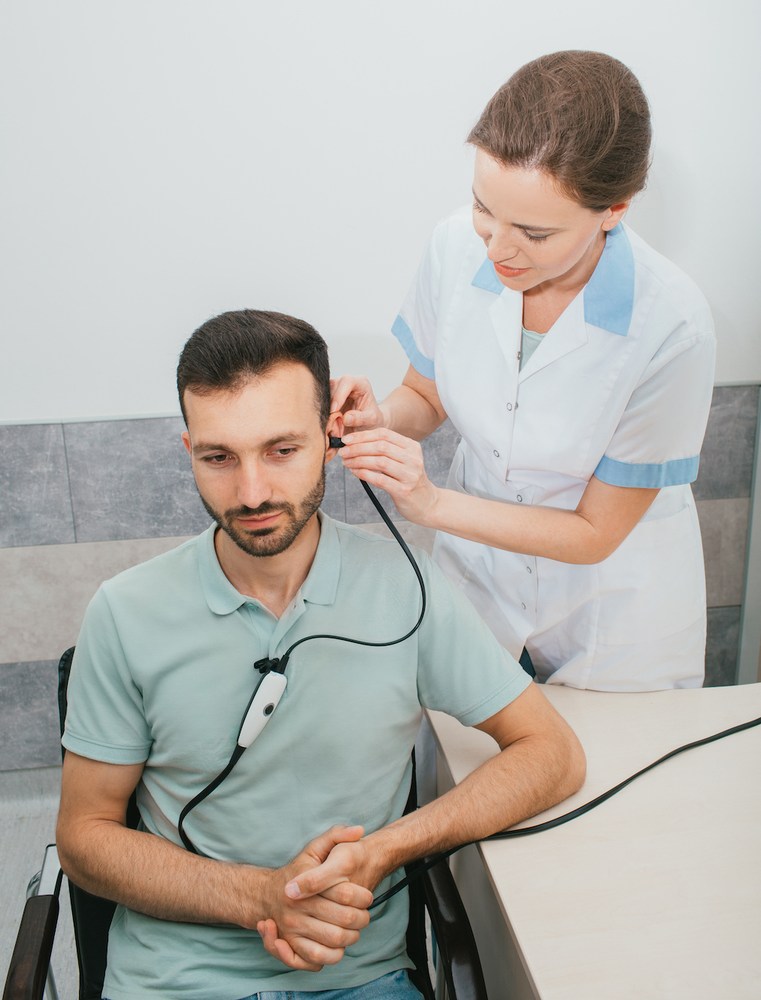
After your hearing test, your audiologist will usually review a chart that
By: admin | January 19, 2026

Wearable technology has expanded beyond fitness tracking to include
By: admin | November 18, 2025
Hearing care has made impressive progress over the years, from basic
By: admin | September 24, 2025