Is Listening to Loud Music in the Car Dangerous for Your Hearing?
Sometimes the quietest part of the day is the drive home. In South-central
By: admin | November 18, 2025
Wearable technology has expanded beyond fitness tracking to include features that monitor your hearing health in real time. If you haven’t given much thought to how your ears are doing day to day, wearables can provide useful information that might otherwise go unnoticed.
These devices can track your exposure to loud environments, monitor how often you’re in situations that strain your hearing and even alert you when noise levels could cause damage.
For someone who thinks their hearing is fine, this kind of monitoring offers a baseline. You get data about your actual listening habits and environmental exposure, which helps you understand whether you’re putting unnecessary stress on your ears without realizing it.
Wearables let you see trends in your hearing health, like whether you’re consistently exposed to harmful noise levels at work or during hobbies, or if certain activities affect how you hear afterward. You’re not waiting for noticeable hearing loss to take action.
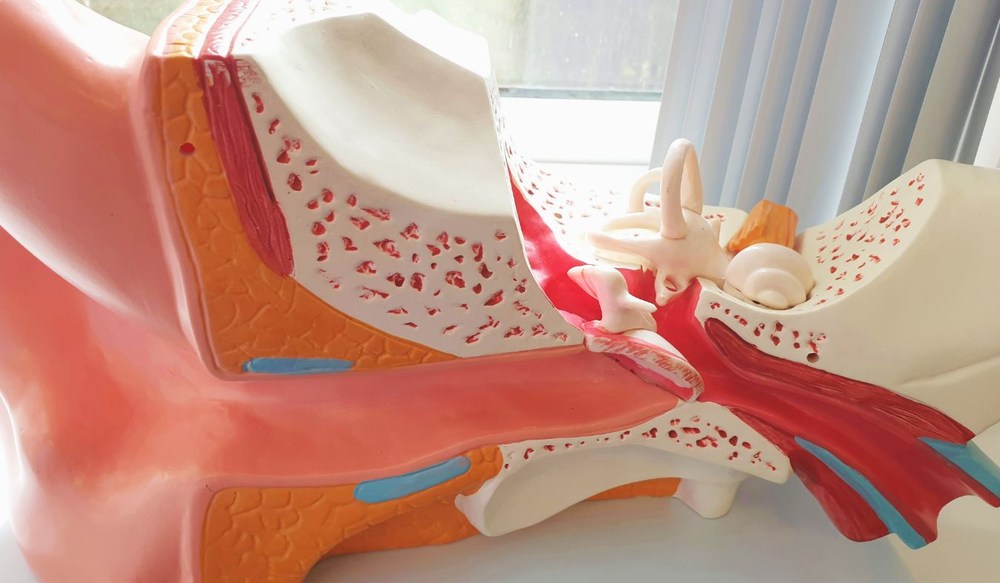
Your ears are more than just the organs that let you hear sounds; they are part of a complex system that converts sound waves into signals your brain can interpret.
Sound enters through the outer ear, travels down the ear canal and vibrates the eardrum, which sets tiny bones in motion. These bones transmit the vibrations to the inner ear, where fluid and hair cells turn them into electrical signals that travel along the auditory nerve to the brain.
This process is what allows you to recognize voices, music, environmental sounds and even subtle changes in your surroundings. Every part of the auditory system plays a role in how clearly and accurately you hear.
Understanding how your ears and brain work together can help you see why hearing changes happen and why early attention to hearing health can make a meaningful difference in daily life.
Everyday sounds, even those that seem harmless, can have a lasting effect on your hearing. Common sources include loud music through headphones, traffic, power tools and regular exposure to noisy events.
If you notice you often turn up the TV, have trouble hearing in crowds or experience ringing in your ears after loud noise, these may be signs that your hearing is being affected by daily sounds.
Wearable devices are electronic tools you can wear, like smartwatches or fitness bands. Many now feature technology that measures the sound levels around you and tracks your daily noise exposure.
Some wearables send alerts when noise levels are high, giving you a chance to protect your ears before any harm occurs. They also store records of your sound exposure, which can be helpful when discussing your hearing health with your audiologist.
Using these devices makes it easier to spot changes early and understand how your daily choices impact your hearing.
Wearables have become popular because they are easy to use and blend into your daily routine. These devices track important health details such as heart rate, activity and now, sound exposure.
With these features, you can keep a closer watch on your hearing health without extra effort. As wearables continue to improve, they can help you notice changes sooner and make decisions that support your long-term well-being.
Many wearables connect with health apps on your phone or tablet, giving you a clear picture of your hearing health.
These apps collect data about your daily sound exposure and organize it into easy-to-read charts and summaries. You can check your noise levels over days, weeks or months, making it simpler to spot trends or times when extra protection is needed.
Some apps allow you to set goals for safe listening and send reminders if you approach unsafe noise limits. Using both the wearable and its app together gives you more detailed information and practical tips for keeping your hearing safe.
When choosing a wearable device for tracking hearing health, battery life and comfort matter. If a device needs frequent charging or feels uncomfortable, you may not use it as often as you should.
Many newer wearables offer longer battery life so you can track sound exposure all day without interruption.
Comfort is also important since you will likely wear the device for many hours. Lightweight materials and adjustable bands help ensure the device fits well and does not bother you during daily activities or sleep.
Wearable devices use small built-in microphones to measure the sounds in your environment. These microphones check how loud your surroundings are throughout the day.
The device compares these sound levels to safe listening limits and stores the data for review. Some wearables provide gentle alerts when noise levels rise, helping you make safer choices right away.
Tracking sound exposure allows you to notice patterns in your daily noise levels and supports better decisions for protecting your hearing.
Smart devices like phones and watches can measure how much noise you experience each day. Built-in microphones record sound levels and keep a log of your exposure over time, helping you see patterns in your environment.
This information can help you make small changes, like taking breaks from loud environments or lowering headphone volume, so you can reduce strain on your ears.
Keeping track of sound levels gives you a clear view of your listening habits, making it easier to protect your hearing before lasting changes occur. Over time, this data can show how different environments affect your ears and guide decisions that support long-term hearing health.
Wearable devices collect data about the sounds you hear each day, which can help identify early signs of hearing loss. Tracking noise exposure and changes in your listening habits may reveal patterns that suggest when your hearing is starting to change.
These devices provide regular updates without needing a special appointment, helping you notice small changes sooner and adjust your routine if needed. However, wearables are not perfect. They may not always measure every sound accurately and cannot replace a full hearing check with the audiologist.
Some people may also find it difficult to understand the data or remember to use the device every day.
Real time alerts from wearables warn you when surrounding sounds reach levels that could harm your hearing. These alerts often come as a gentle vibration or message on your device, letting you know to move away or use ear protection.
It can take time to get used to responding quickly to these alerts, especially when busy or distracted.
Setting your device to send both visual and vibration notifications can help make sure you notice the warning. Over time, this helps build safer listening habits and lowers the risk of hearing loss from loud environments.
Wearables provide convenient updates about your daily noise exposure and can alert you to unsafe sound levels. They are helpful for tracking trends but do not test how well you hear specific tones or words.
Traditional hearing checks with your audiologist measure your ability to hear different pitches and understand speech in various settings. These checks can detect changes in your hearing that wearables cannot identify alone.
Protecting your personal hearing data is important when using wearable devices. These devices collect information about your daily sound exposure and store it in apps or online.
Easy tracking and the ability to share data with your audiologist are benefits of wearables. However, there are risks, like possible data breaches or sharing information without realizing it. Always check privacy settings and understand how your data is managed.
If you work in noisy environments or enjoy loud hobbies, wearables that track sound exposure can be especially helpful.
These devices let you know when noise levels are high and remind you to take steps to protect your hearing.
Wearables also make it easier to see patterns in your daily life that could lead to hearing loss over time. Using this information can help you make more informed choices about when and how to protect your ears.
Feedback from wearables can help you make smart choices to protect your ears each day. These devices provide real-time information about the sounds around you, helping you understand when exposure is higher than usual.
When you see these warnings, take simple actions like moving to a quieter area, lowering the volume on headphones or using ear protection if needed. Over time, using this feedback helps you build safer listening habits and lower your risk of hearing loss.
Choosing the right wearable device means looking for features that match your daily life and personal goals. Not all wearables offer the same tools for tracking sound or sending helpful alerts.
Understanding which device fits your needs makes it easier to monitor your hearing health and respond to changes quickly. Some focus on measuring noise exposure, while others include extra features like heart rate or sleep tracking.
Knowing these differences helps you pick a device that supports your hearing health and fits your lifestyle.
There are easy ways to use technology right now to protect your hearing. Setting volume limits on your phone or using noise-canceling headphones in loud places can make a real difference.
You can also set daily reminders on your smartwatch or phone to check sound levels around you. Some apps track how much time you spend in noisy environments and send alerts if things get too loud.
Taking these simple steps with technology helps keep your hearing safe and lets you stay aware of your listening habits each day.
Monitoring your hearing with wearable technology gives you a clearer picture of how your ears handle daily life. It helps you understand patterns in noise exposure and highlights situations that might be more damaging than you realize.
Using this information allows you to make small adjustments, from lowering headphone volume to taking breaks in quieter areas, so your hearing stays healthier over time.
Even simple awareness can make a meaningful difference in maintaining your long-term ear health.
If you want guidance on interpreting the data from wearables or exploring additional ways to protect your hearing, your local audiologist can help. Hearing & Ear Care Center in Lebanon, PA at (717) 378-4044 or Mount Joy at (717) 967-4400 can provide support and advice tailored to your needs.
Sometimes the quietest part of the day is the drive home. In South-central
By: admin | July 26, 2026
Lancaster County mud sales, Penn Dutch festivals, Saturday mornings at the
By: admin | June 25, 2026
After your hearing test, your audiologist will usually review a chart that
By: admin | January 19, 2026