Sometimes the quietest part of the day is the drive home. In South-central Pennsylvania, a drive home from work or an evening on familiar roads often comes with your favorite playlist.
The car is one of the few places where you choose the music, the route and the volume without thinking much about it. That freedom makes it easy to forget you’re listening in a very different environment than you would almost anywhere else.

The question isn’t always whether the music sounds loud. It’s whether the conditions inside the car change the way you judge the volume in the first place.

Road noise, changing speeds and open windows all become part of the listening experience, even when you barely notice them. Looking at how those conditions influence the way we listen helps explain why music in the car raises different questions than music at home.

How Sound Moves and Is Measured Inside a Car

A car doesn’t sound like a living room, a concert hall or even your backyard because it’s a small, enclosed space with hard surfaces in every direction. Music bounces off the windshield, windows, dashboard and doors before all of it reaches your ears.

At the same time, the tires, engine, air conditioner and traffic create their own sounds inside the cabin. When those sounds combine, they change what you hear and how loud the music seems.

Engineers measure sound inside a vehicle in decibels at different seating positions because the listening experience isn’t exactly the same throughout the cabin.

That’s one reason the volume that feels comfortable in one situation may feel completely different on another drive.

Effects of Loud Music on Your Ears Over Time

Noise-induced hearing loss happens when loud sounds place more stress on the inner ear than it can recover from.

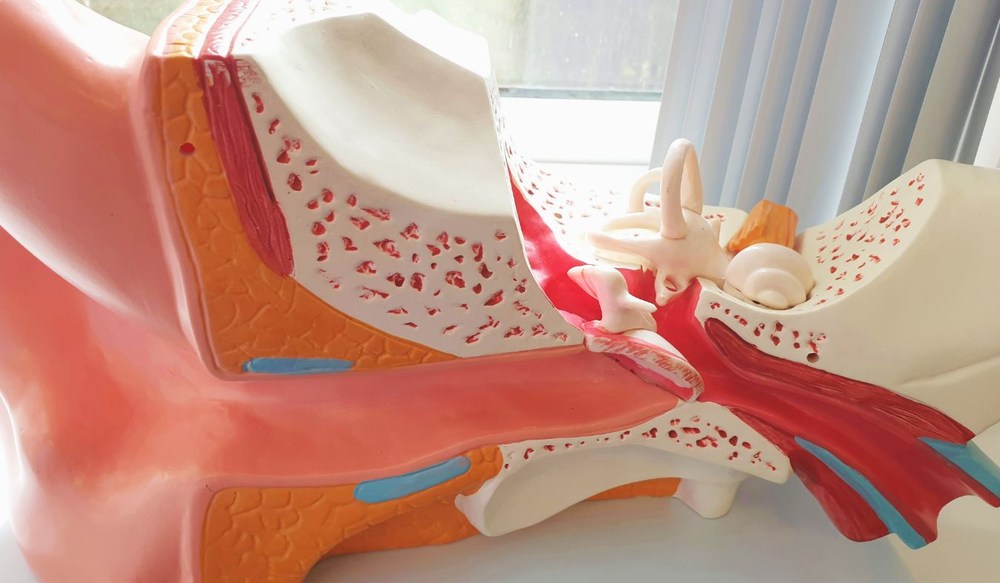
Inside the cochlea are thousands of tiny hair cells that respond to different pitches and send sound information to the brain. Not every exposure to loud sound does damages those cells, but repeated exposure at high volumes increases the chance that some of them will stop working.

Once that happens, those hair cells don’t grow back. The result is often a gradual change in the way certain sounds are heard, even though the change may be difficult to notice from one day to the next.

Telling the Difference Between Safe and Unsafe Music Volumes

Decibels measure how intense a sound is, and even small increases on the scale represent much larger increases in sound energy.

Sounds around 70 decibels or below are generally considered safe for extended listening periods under normal conditions for most people. Once sound levels rise above 85 decibels, the amount of time your ears can tolerate that exposure becomes much shorter.

Many car stereos, headphones and portable speakers can exceed 100 decibels at higher volume settings, especially inside a vehicle cabin.

The volume knob doesn’t tell you the decibel level because different sound systems produce different outputs at the same setting.

Warning Signs of Hearing Loss from Loud Music in the Car

You may not notice hearing changes right away, but certain listening habits can suggest the volume in your car is higher than you realize.

Pay attention to patterns like these:

    • You regularly increase the volume as your drive continues, even though the music started at a comfortable level.
    • The volume sounds much louder after you park than it did while you were driving.
    • Passengers often ask you to turn the music down when it feels comfortable to you.
    • You have trouble hearing emergency vehicle sirens, horns or other traffic sounds over the music.
    • You routinely keep the volume near the upper end of the system’s range to hear clearly over road noise.

Impact of Repeated High Volume Listening While Driving

The ear doesn’t separate today’s drive from yesterday’s because it responds to the total amount of sound it receives over time. Listening for an hour at a higher volume several days each week creates a different pattern of exposure than an occasional loud event.

That difference is one reason audiologists look at both volume and listening time when discussing noise exposure.

Short-Term Effects of Playing Loud Music During Drives

Loud music during a drive may leave your ears feeling different before you even step out of the car. You might notice that nearby voices seem softer, traffic sounds feel less distinct or quiet rooms seem unusually still afterward.

These changes happen because the inner ear has been working hard to process intense sound for the length of the trip.

The effect may fade after a period of rest, though the amount of recovery varies with volume and listening time. Even a single drive can show how quickly your ears respond when sound levels stay high inside an enclosed space.

Long-Term Risks from Regularly Listening to High Volumes in Vehicles

Listening to loud music in the car over long periods may contribute to noise-induced hearing loss. The changes often develop gradually, making them difficult to notice from one year to the next.

As hearing changes, understanding speech may become more difficult, especially when other sounds are present.

Repeated exposure to high sound levels is also linked with tinnitus, a ringing or buzzing sound that some people notice even when their surroundings are quiet.

Comparing Headphones and Car Speakers for Protecting Your Hearing

Headphones and car speakers place you in two very different listening environments. Headphones direct sound straight into your ears with very little competing noise unless you’re in a busy place.

A car fills with music from several speakers at once, while road noise, engine sounds and air moving around the vehicle become part of what you hear.

Those outside sounds often change from one mile to the next, so the volume you choose may change with them. Neither listening method has a built-in advantage when it comes to hearing.

Most headphones and modern car stereos can produce sound levels well above 100 decibels if the volume is high enough.

The amount of time you spend listening, the volume you choose and how often you repeat that pattern all contribute to your overall sound exposure. Those factors provide a better comparison than simply asking whether headphones or car speakers are louder.

When You Should Get Help if You Notice Changes in Hearing After Driving with Loud Music

A quieter drive home doesn’t always mean your hearing has returned to normal. Schedule an appointment with an audiologist when the change remains after 24 to 48 hours.

Repeated muffling after car rides also deserves testing, even when it clears between drives. A hearing test measures whether certain pitches have shifted and whether both ears respond the same way.

A sudden drop in one ear shouldn’t wait for a routine appointment. Sudden sensorineural hearing loss may feel like blockage or pressure, and treatment is more effective when it begins quickly.

Ways to Listen to Music Safely While Driving Without Harming Your Hearing

Listening safely doesn’t have to take the enjoyment out of the drive. Start with a volume that lets you hear the music clearly without covering every other sound around your vehicle.

You should still be able to notice emergency sirens, train crossings and other traffic sounds without struggling. Closing the windows or using the air conditioning instead of driving with them open often reduces the need to keep raising the volume.

If you enjoy strong bass, remember that it can make the stereo feel louder than the volume setting alone suggests.

It’s also helpful to think about how long you’ve been listening instead of focusing only on the volume.

A level that seems comfortable at the start of a trip may not be the best choice for the entire drive. Lowering the stereo for part of the trip or taking a short break from music changes the amount of noise your ears receive over time.

If you’re curious about the actual listening level, a sound level meter app can provide a general estimate inside the car. It’s a simple way to compare your usual listening habits with the volume you think you’re using.

Making Smart Choices for Safe Listening in the Car

Every drive has its own soundtrack. Some last ten minutes, while others carry you across town or halfway across the state.

The music is part of the routine, so the volume often becomes part of it too. Looking back at those routines once in a while is different from worrying about every trip.

It simply gives you a chance to notice whether your listening habits have changed over time. If your hearing doesn’t seem quite the same as it used to, we’ll measure what you’re hearing today and compare it with any previous hearing tests you’ve had.

That comparison often answers questions that guessing at the volume never can. You can reach Hearing & Ear Care Center in Lebanon, PA at (717) 378-4044 or Mount Joy, PA at (717) 967-4400 to arrange an appointment.